
Each year, several Colorado films are selected for the Colorado Documentary Spotlight screenings at the Denver Film Festival. The spotlight provides local filmmakers with a space to showcase their talents and gain recognition with awards, including the “True Grit Award,” and some of Colorado’s most compelling stories bring the community together to celebrate the local arts scene.
With productions from across the state covering a range of topics, there were several common themes that threaded the films featured at this year’s documentary spotlight together: community, connection, and land.
“Talking to the Sun,” directed by Megan Sweeney
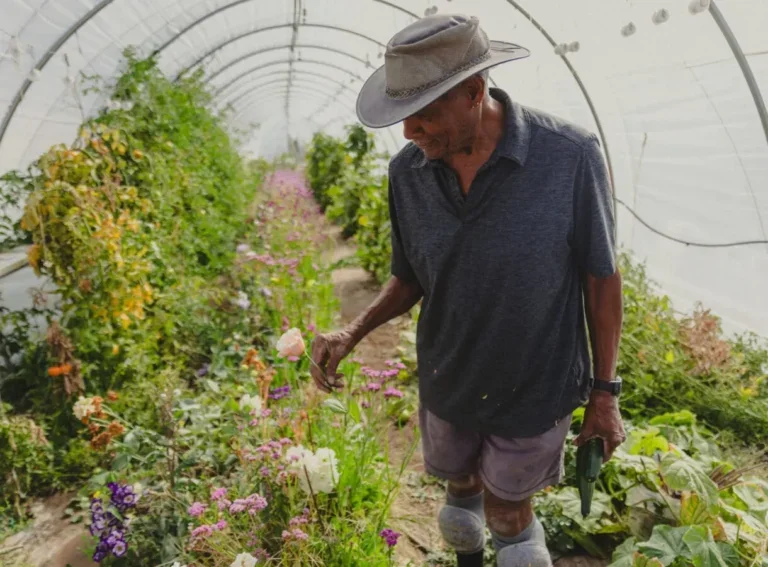
In “Talking to the Sun,” director Megan Sweeney follows local farming legend, Frank Hodge, as he tends to his organic farm. Serving as a steward of the land, Frank’s farming story began as he watched his father work for Westinghouse and as a sharecropper for a vegetable farm on the side. Later, Frank began working on farms after his father passed away when he was 11 years old. At the time, minorities weren’t able to work in most places unless they were over 16 years old, so Frank continued to work on farms. Even when Frank went on to work in grocery stores, and later attended college and entered the military, his love of farm-fresh vegetables continued. The film is an insightful look into one man’s passionate lifelong love affair with growing sustainable, clean food. In his field notes, Frank talks to the audience about everything under the sun – and the fickle realities of working as a farmer. He talks about coming to terms with relinquishing control, the attention to detail and daily dedication it takes to run his organic farm. And throughout the film, his steady presence and quiet, loving dedication bleed into the community around him.
“Gatorville,” directed by Freddie Gluck
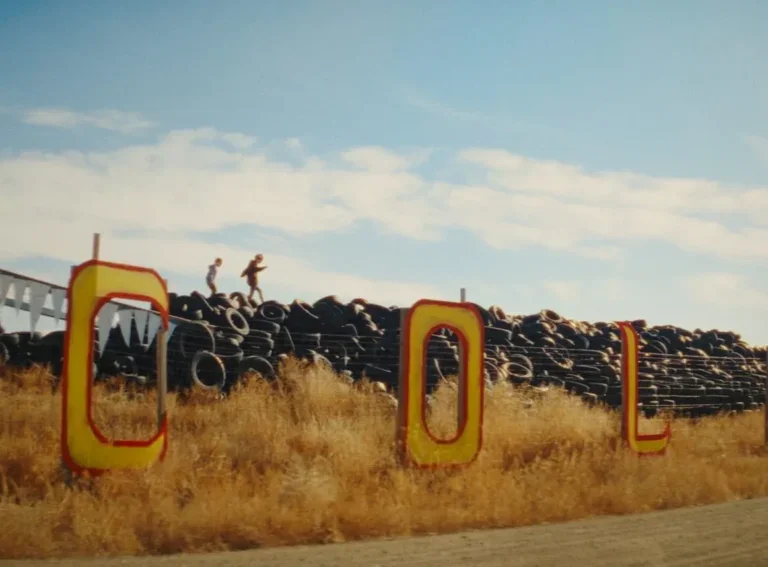
In contrast, “Gatorville”, directed by Freddie Gluck, is a portrait of Southern Colorado’s famous Alligator Farm sanctuary, from the perspective of the farm owner’s children, Lily and Bodhi. An intimate look into the two children’s experience growing up on a gator farm, the film explores rural life, an unconventional upbringing, and the children’s diverging outlooks on life past the farm. Featuring stunning cinematography that lingers on each thought, the film weaves documentary and narrative style together and captures the siblings’ shifting bond. As Lily enters her teenage years, their shifting perspectives around life – specifically past the isolated world of the sanctuary – continue to diverge. Lily shares more about the difficulties of their unique upbringing, including dealing with her peers' perceptions and ultimately being homeschooled. Meanwhile, Bodhi contemplates connection beyond the sanctuary while remaining connected to his rich imagination. The contrast between the siblings’ focus in life and worldviews creates a compelling piece that pulls the audience to reminisce on their own childhood.
“The Meloneers,” directed by Brendan Young
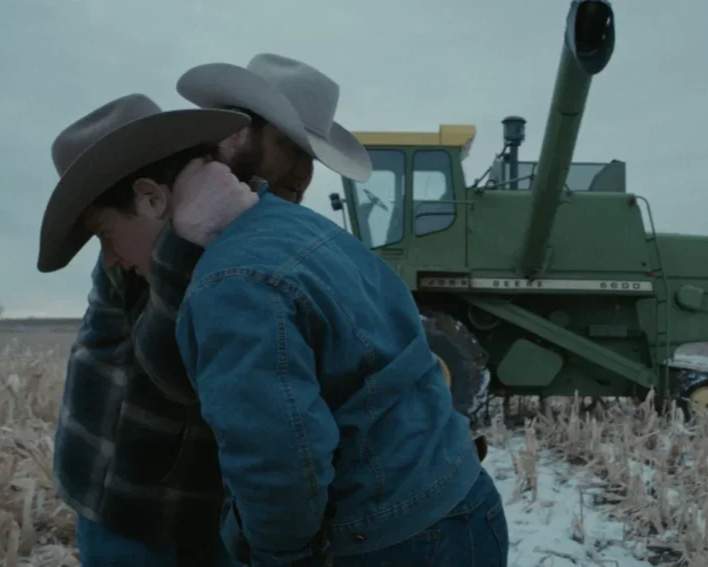
Departing from the world built in Gatorville, “The Meloneers,” directed by Brendan Young, speaks to the importance of connection that intramural sports programs can provide for youth in rural towns with higher rates of isolation. The film follows the longstanding boys’ wrestling team, The Meloneers, in the rural town of Rocky Ford, through the trans-generational tradition of men’s wrestling. The film dives into the intersection of fatherhood and wrestling, exploring the. Following several of the boys as they train for the state championships, the film touches on their unique backgrounds and circumstances, and wrestling as a means to establish discipline, resilience, and camaraderie. From experiencing homelessness to losing a parental figure and taking on fatherhood in high school, the boys continue to strive for excellence and find support in their wrestling peer group. A well-rounded exhibit of grit and community, the film pushes viewers to understand the importance of youth sports programs that continue to become rarer and fewer in rural towns.
“Family Strings,” directed by Daniel Wright, Brendan Young
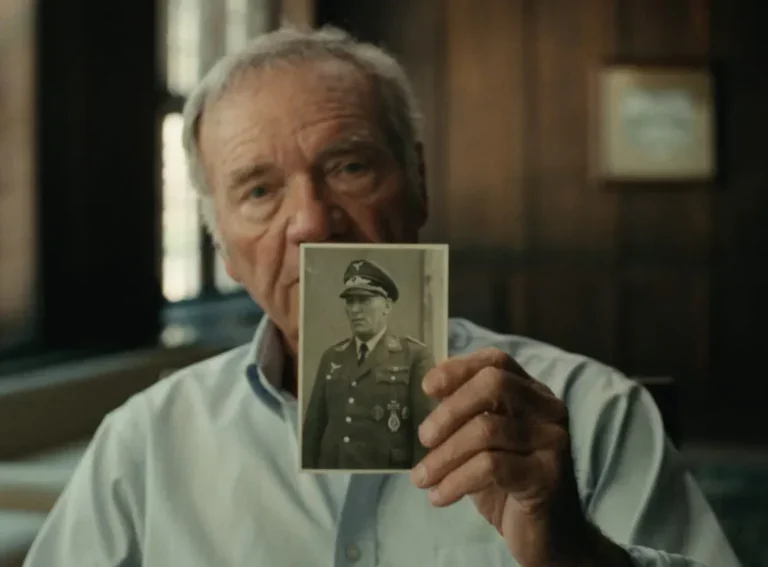
In a story that transcends generations and state lines, “Family Strings”, directed by Daniel Wright and Brendan Young, is a documentary following the journey of a World War II violin. Originally the property of a man who participated in the Nazi regime during World War II, his descendant grapples with the complex nature of his family’s past, while hoping that the legacy of the violin continues. In converging storylines, a young musician in Colorado Springs approaching an important audition is connected to the benefactor of a violin donated to him. Through the violin, the musician learns about the complicated family history of its benefactor, and the significance of the violin continuing to be played. The film crosses timelines and dives into the lasting legacy of a German World War II descendant, highlighting the lasting impact and guilt that’s often carried through generations.
“People of the Sacred Land” directed by Dewi Sungai, Sarah Ortegon Highwalking
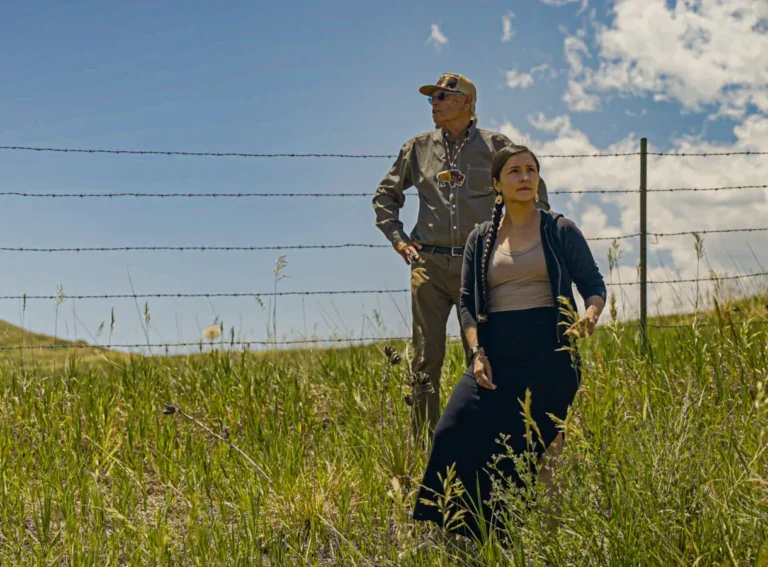
“People of the Sacred Land”, directed by Dewi Sungai and Sarah Ortegon Highwalking, follows Richard Williams in his longstanding quest to reveal the truth about Native American land dispossession across the United States. Standing firm, he continues urging community members to remain active in the pursuit of restoration and reparations for the indigenous community. His extensive research also points to many misrepresentations of indigenous history, and through his continued work to educate people, he offers solutions to right the injustices committed against indigenous people and a model for indigenous leaders across the country. Richard travels to different landmarks in Colorado alongside Sarah Ortegon HighWalking, discussing buried facts of the land. The film is a beautiful essay that offers a wealth of legal and historical evidence and is a testament to Williams’ lifelong dedication to land restoration.
Reviews by Juli Yanai